

Edwardian Kitchen Renovation: A Thoughtful Guide to Getting It Right
How to renovate a kitchen in an Edwardian home without losing what makes it special. We cover layouts, extensions, colour palettes, original features, and the design decisions that matter most.
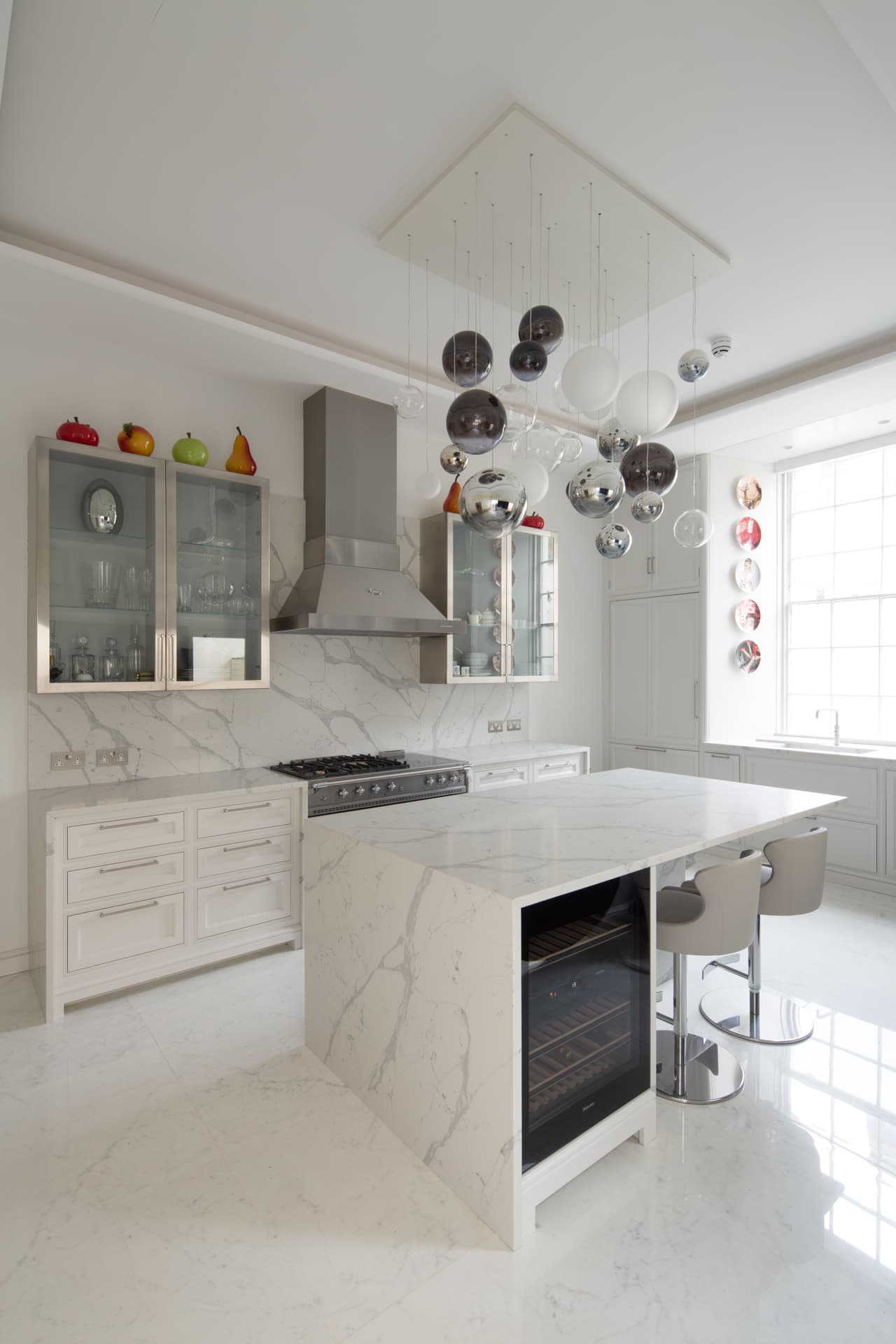
There is a particular quality to Edwardian houses that anyone who has lived in one will recognise immediately. The rooms feel brighter. The proportions feel more generous, more relaxed. The detailing is there, certainly — but it knows when to stop.
It is this restraint, this quiet confidence, that makes Edwardian homes such a pleasure to live in. And it's precisely what makes renovating their kitchens such a rewarding — if occasionally tricky — proposition.
The Edwardian era, broadly spanning 1901 to 1910 (though the architectural style persisted well into the 1920s), produced some of the most liveable domestic architecture in British history. These houses were designed with comfort and light in mind, a deliberate step away from the darker, more ornate interiors of the Victorian period. They deserve kitchens that honour that philosophy.
This guide covers everything you need to consider when planning an Edwardian kitchen renovation — from the architectural character you're working with to the design decisions that will determine whether your new kitchen feels like it belongs.
What Makes Edwardian Houses Architecturally Distinct
Before reaching for a paint swatch or browsing kitchen catalogues, it's worth understanding precisely what you're working with. Edwardian houses have a character that is often confused with Victorian, but the differences are significant and should inform every decision you make.
Light and Space
The most immediately noticeable difference is light. Edwardian houses typically have larger windows than their Victorian counterparts, often with broader panes and less subdivision. Bay windows are generous. Hallways are wider. Ceiling heights, whilst still impressive by modern standards, are slightly lower than high-Victorian rooms — creating spaces that feel grand without feeling cavernous.
This emphasis on natural light was no accident. It reflected the influence of the Arts and Crafts movement, which championed honesty of materials, the relationship between inside and out, and the idea that domestic spaces should nourish those who inhabit them. When you're designing a kitchen for an Edwardian home, this preoccupation with light should be your guiding principle.
Simpler, More Refined Detailing
Where Victorian houses delighted in ornament — elaborate cornicing, heavily moulded architraves, busy wallpapers — Edwardian houses took a step back. The detailing is still present, but it's quieter. Picture rails are neatly profiled rather than heavily carved. Skirting boards are tall but relatively simple. Door architraves have clean, elegant lines.
This aesthetic restraint is tremendously useful when designing a kitchen. It means you have a clear steer: the kitchen should be detailed, well-made, and considered, but it should not be fussy. An in-frame Shaker kitchen in a softly painted finish is often the perfect match for Edwardian character — enough craft to feel special, enough simplicity to feel right.
The Arts and Crafts Influence
Many Edwardian houses, particularly the better-built examples, carry the fingerprints of the Arts and Crafts movement. You'll see it in the honest use of materials — exposed timber, tiled fireplaces, leaded or stained glass in fanlights. There's a respect for craftsmanship that runs through the whole house.
A kitchen renovation that acknowledges this heritage — through hand-painted cabinetry, solid timber worktops, hand-forged ironmongery — will always feel more at home than one filled with glossy, manufactured surfaces. The house can tell the difference, and so can everyone who walks into the room.
Typical Edwardian Kitchen Layouts and How They've Evolved
The original Edwardian kitchen bore little resemblance to the room we use today. It was a functional, utilitarian space — often located at the rear of the house, separate from the family's living rooms by a corridor or service passage. Cooking was the work of servants in many middle-class households, and the kitchen was designed accordingly: practical, well-ventilated, and deliberately tucked away.
Over the decades, these spaces have been adapted in waves. Post-war modernisation brought fitted units and new plumbing. The 1970s and 1980s saw partition walls removed to create more open layouts. The 1990s and 2000s brought the rear extension boom, pushing kitchens out into gardens.
What's interesting — and encouraging — is that the latest wave of renovation has become more sensitive. Homeowners are no longer simply ripping everything out and starting from scratch. There's a growing appreciation for the bones of the house, and a desire to create kitchens that feel as though they've evolved naturally rather than been parachuted in.
This is where thoughtful design makes all the difference. A well-planned Edwardian kitchen renovation considers how the house flows, how light moves through the rooms, and how the new kitchen will relate to the spaces around it.
The Rear Extension Opportunity
If there is a single intervention that has transformed more Edwardian kitchens than any other, it is the rear extension. And for good reason.
Most Edwardian houses — particularly terraced and semi-detached examples — have a relatively modest kitchen footprint at the rear. The reception rooms are where the space was invested. A well-considered rear extension can rebalance this, creating a kitchen that is genuinely proportionate to the rest of the house.
The most successful rear extensions share a few characteristics:
- They respect the garden. An extension that consumes the entire garden is rarely wise, practically or architecturally. The best designs extend just far enough to create a workable kitchen-dining space whilst preserving a meaningful garden beyond.
- They bring light deep into the plan. Rooflights, glazed side panels, and full-height rear glazing ensure that the extension doesn't simply push the dark centre of the house further back.
- They maintain the hierarchy of rooms. An Edwardian house has a rhythm — grander rooms at the front, more intimate rooms as you move through. A good extension feels like the natural conclusion of this sequence, not an abrupt change of character.
Many rear extensions on Edwardian houses can be completed under permitted development rights, avoiding the need for a full planning application. However, if your home is in a conservation area or is subject to an Article 4 direction, you will almost certainly need to apply. It is always worth checking with your local authority before committing to a scheme.
Side-Return Extensions: Unlocking Hidden Width
For terraced and semi-detached Edwardian houses, the side return is often the most transformative opportunity of all.
The side return is the narrow passage that runs alongside the original rear reception room or kitchen — typically a strip of one to two metres wide, open to the sky, and serving no real purpose beyond providing access to a side gate. Incorporating this space into the kitchen can add a remarkable amount of usable area, often enough to accommodate a generous island or a proper dining table.
A side-return extension is best realised with a glazed or partially glazed roof, allowing light to pour into what was previously the darkest part of the house. The junction between old and new becomes the most luminous point in the room — a lovely inversion that brings the whole ground floor to life.
From a kitchen design perspective, the extra width is genuinely useful. It allows for a more ergonomic working layout, with the sink, hob, and preparation areas arranged in a configuration that wouldn't be possible in the original narrow room. It also creates natural zones — cooking in one area, eating in another — without the need for walls or contrived dividers.
Design Styles That Suit Edwardian Homes
Edwardian houses are remarkably accommodating when it comes to kitchen style, provided you respect their fundamental character: light, refined, and quietly confident.
The Classic Approach
A traditional in-frame kitchen with simple panelled doors, brushed-metal or aged-brass hardware, and a hand-painted finish is perhaps the most natural partner for an Edwardian home. The proportions of Shaker-style cabinetry — honest, balanced, unpretentious — echo the proportions of the house itself. This is the approach that ages most gracefully, both aesthetically and practically.
The Transitional Approach
For those who want something that feels more contemporary without abandoning the house's character, a transitional design bridges the gap beautifully. This might mean in-frame cabinetry with a plainer door profile, handleless uppers combined with traditional base units, or a restrained palette of natural materials — stone, timber, blackened steel — arranged with modern simplicity.
The key is coherence. An Edwardian house will accept a surprising degree of modernity, provided the materials are honest and the proportions are considered. What it will not forgive is cheapness or affectation.
What to Avoid
High-gloss finishes, overtly industrial aesthetics, and excessively minimalist schemes tend to fight against the grain of an Edwardian home. These houses have texture — in their plasterwork, their timber, their tiled surfaces — and a kitchen that ignores this in favour of flat, reflective surfaces will always feel like a visitor rather than a resident. Similarly, heavily ornate or pseudo-Victorian designs can overpower the lighter Edwardian character. The house is not a Victorian one, and it shouldn't be dressed as such.
Colour Palettes for Edwardian Kitchens
Colour is where many Edwardian kitchen renovations find their soul — or lose their way.
The Edwardian palette is softer, lighter, and more nuanced than the deep, saturated colours associated with the Victorian era. Think of the difference between a heavy burgundy velvet and a pale linen — both are beautiful, but they belong to different sensibilities.
Colours that sit particularly well in Edwardian kitchens include:
- Soft whites and warm creams — not the cold, blue-toned whites of a modern conversion, but the gentler, chalky whites that feel at home alongside aged timber and original tilework.
- Pale sage and olive greens — these have a long history in English domestic interiors and complement the garden views that Edwardian kitchens often enjoy.
- Duck-egg and powder blues — lighter blues work beautifully with the generous natural light, particularly in south-facing rooms.
- Warm stone and putty tones — understated and endlessly versatile, these provide a quiet backdrop that allows the architecture and the craftsmanship to do the talking.
- Soft blue-greys — refined without being cold, particularly effective on an island or dresser to create gentle contrast against lighter wall cabinetry.
For those who enjoy a little more drama, a deeper tone on an island or pantry unit can work wonderfully — a muted teal, a soft charcoal, a deep olive — provided the principal cabinetry remains in the lighter register. The trick is to let the house's natural light do the heavy lifting and use colour to complement rather than compete with it.
We discuss colour choices in greater depth in our guide to English country kitchen design, which shares much common ground with the Edwardian aesthetic.
Working With Original Features
The most successful Edwardian kitchen renovations are those that treat the house's original features as assets to be celebrated, not problems to be solved. This requires a shift in mindset — and a kitchen designer who understands period properties.
Picture Rails and Cornicing
Retaining the picture rail and ceiling cornicing in a kitchen may seem unusual, but it's one of the most effective ways to ensure the room still feels connected to the rest of the house. Wall cabinetry can be designed to stop below the picture rail, allowing the detail to read clearly above the cabinets. This also has the practical benefit of keeping tall cabinets in proportion with the room — a ceiling-height run of units in an Edwardian room can feel overwhelming.
Skirting Boards
Edwardian skirting boards are characteristically tall — often 200mm or more — with a simple, elegant profile. The best approach is to design the kitchen's base plinth to align with the skirting in adjacent rooms, maintaining a visual continuity at floor level. Where cabinetry meets existing skirting, a careful scribe joint ensures a clean, intentional transition.
Tiled Fireplaces
Many Edwardian kitchens — or the reception rooms that have been absorbed into the kitchen — contain original tiled fireplaces. These are worth preserving wherever possible. A fireplace provides a natural focal point, and the decorative tilework — often in the distinctive Edwardian palette of soft greens, creams, and burgundies — can become a wonderful reference point for the kitchen's colour scheme.
Stained Glass and Leaded Lights
Fanlights, side panels, and internal doors with stained or leaded glass are among the most charming features of Edwardian houses. If your kitchen renovation involves reconfiguring doorways or openings, consider how these elements might be retained or relocated rather than discarded. The coloured light they cast is irreplaceable — and rather beautiful at breakfast time.
Encaustic and Geometric Floor Tiles
Original hallway tiles often extend into or near the kitchen area. If you're fortunate enough to have them, any renovation should be designed to protect and, if possible, showcase them. Where a transition is needed between original tiles and a new kitchen floor, a well-chosen threshold strip or a complementary natural stone can make the join feel deliberate and considered.
Common Renovation Challenges
Every house has its quirks, and Edwardian houses are no exception. Being aware of the most common challenges will help you plan more effectively and avoid unwelcome surprises.
Uneven Floors and Walls
A house that has been settling for over a century will have floors that are no longer level and walls that are no longer plumb. This is not a defect — it's the natural character of an aged building. But it does mean that kitchen cabinetry must be scribed and adjusted to fit, rather than simply bolted to the wall in a straight line. This is where bespoke, traditionally constructed cabinetry has a decisive advantage over rigid, mass-produced alternatives.
Services and Plumbing
Edwardian plumbing and electrics will have been updated at least once, possibly several times, and not always with the greatest care. Expect to budget for rewiring the kitchen circuit, upgrading the water supply, and ensuring adequate drainage capacity — particularly if you're adding a dishwasher, boiling-water tap, or utility area that the original layout never anticipated.
Damp and Ventilation
Ground floors in Edwardian houses can be prone to damp, particularly where original air bricks have been blocked or where impermeable modern materials have been laid over breathable lime-based surfaces. Before installing new kitchen flooring, it's worth having a damp survey carried out and addressing any issues at source. Good ventilation — both mechanical extraction and natural airflow — is essential in any kitchen, but particularly in period properties where moisture can find its way into old plasterwork.
Conservation Areas and Restrictions
A significant number of Edwardian houses sit within conservation areas, and some may be locally listed. If yours is, any external alteration — including extensions, changes to windows, and sometimes even alterations to rear elevations — will require planning consent. Even internal works may be subject to restrictions in listed buildings. Engaging with your local planning authority early in the process is always advisable.
Integrating Period Details With Contemporary Function
The art of a truly successful Edwardian kitchen renovation lies in the integration — making a room that functions with all the efficiency of a modern kitchen whilst feeling as though it has always been part of the house.
This means concealed appliances behind panelled doors that match the cabinetry. It means choosing a sink and tap that feel considered rather than merely functional. It means integrating modern lighting — task lighting beneath wall units, ambient lighting within glazed cabinets — without resorting to the clinical down-lighter grid that plagues so many period renovations.
It also means thinking carefully about the junction between old and new. Where an extension meets the original house, how is the transition handled? Where contemporary materials meet period surfaces, is the contrast deliberate and confident, or awkward and apologetic? These are the details that separate a kitchen that looks right from one that feels right — and they are the details that a skilled designer will obsess over on your behalf.
At Albury House, we have spent years working in period properties along the M11 corridor and across the Home Counties, and the one thing we've learned above all else is that the house always has an opinion. The best Edwardian kitchen renovations are the ones that listen.
Where to Begin
If you're considering renovating the kitchen in your Edwardian home, the most valuable first step is a proper design conversation — not a catalogue, not a mood board, but a thoughtful discussion about your house, your household, and how the two might work better together.
We would be delighted to have that conversation with you. Whether you're at the very beginning of your thinking or have plans and builders ready to go, our design team can help you navigate the decisions ahead with the care and expertise your home deserves.
Get in touch to arrange a consultation — there's no obligation, and we rather enjoy talking about old houses.
Frequently Asked Questions
Thinking about a new kitchen?
Book Your Free ConsultationYou might also enjoy
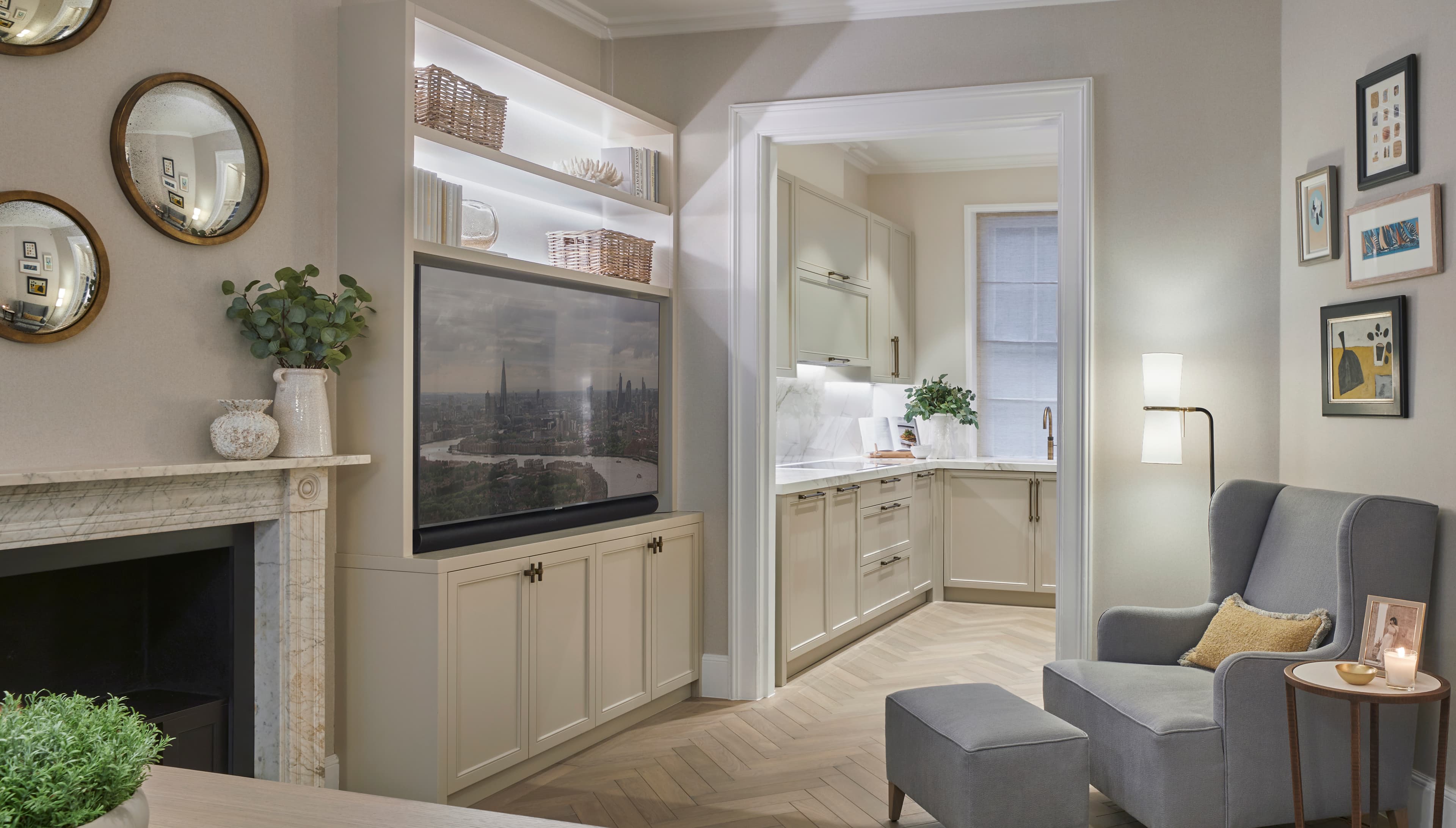
Period Property Kitchen Design: Honouring Heritage Without Sacrificing Modern Living
A comprehensive guide to designing bespoke kitchens for period properties — from Georgian townhouses to 1930s semis. How to respect original architecture, choose appropriate materials, and integrate modern functionality with period authenticity.
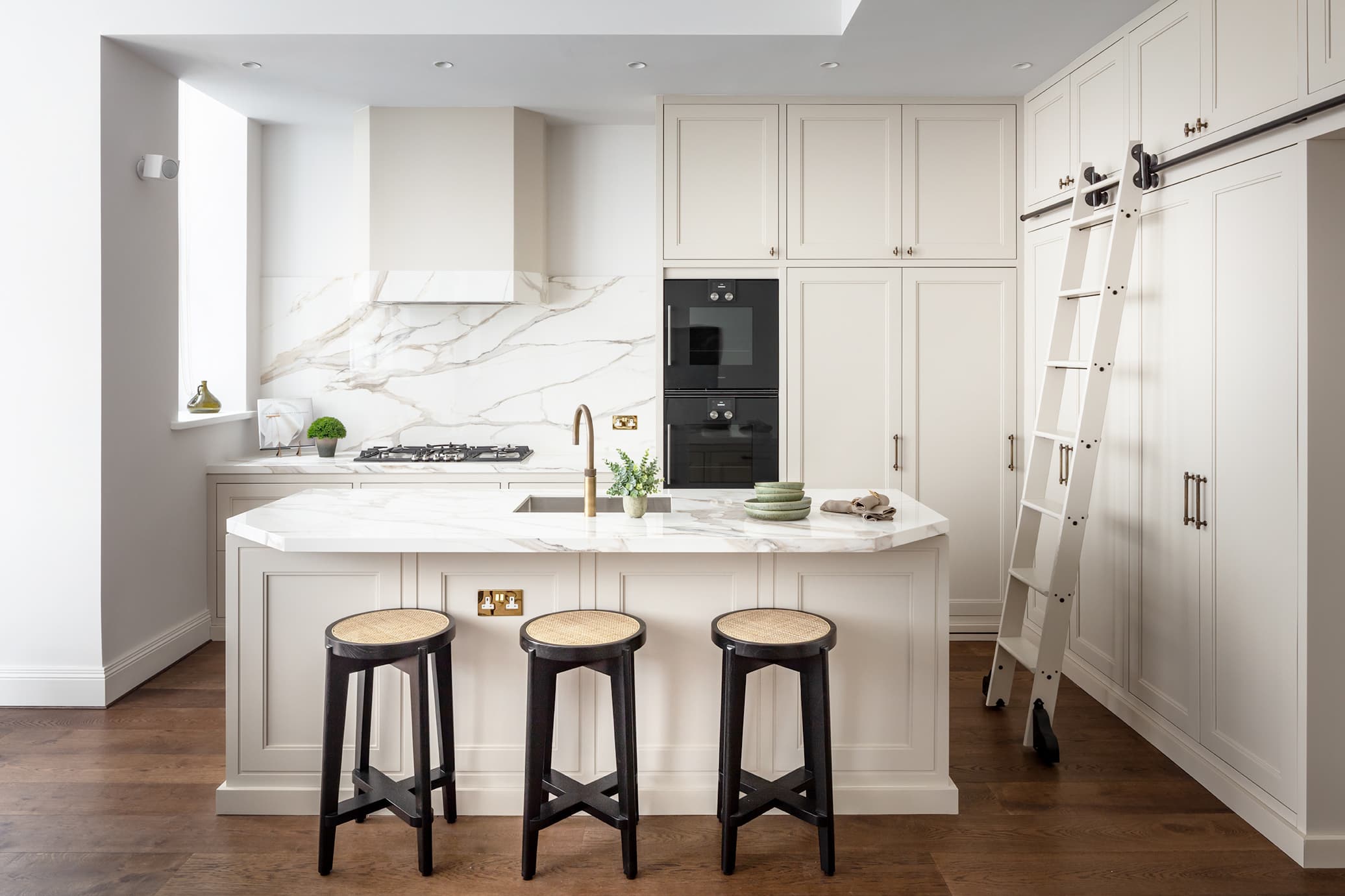
Bespoke Kitchen Cabinets: The Definitive Guide to Handmade Cabinetry
Everything you need to know about bespoke kitchen cabinets — from construction methods and timber selection to door styles, finishes, and the details that distinguish genuine craftsmanship from the merely expensive.
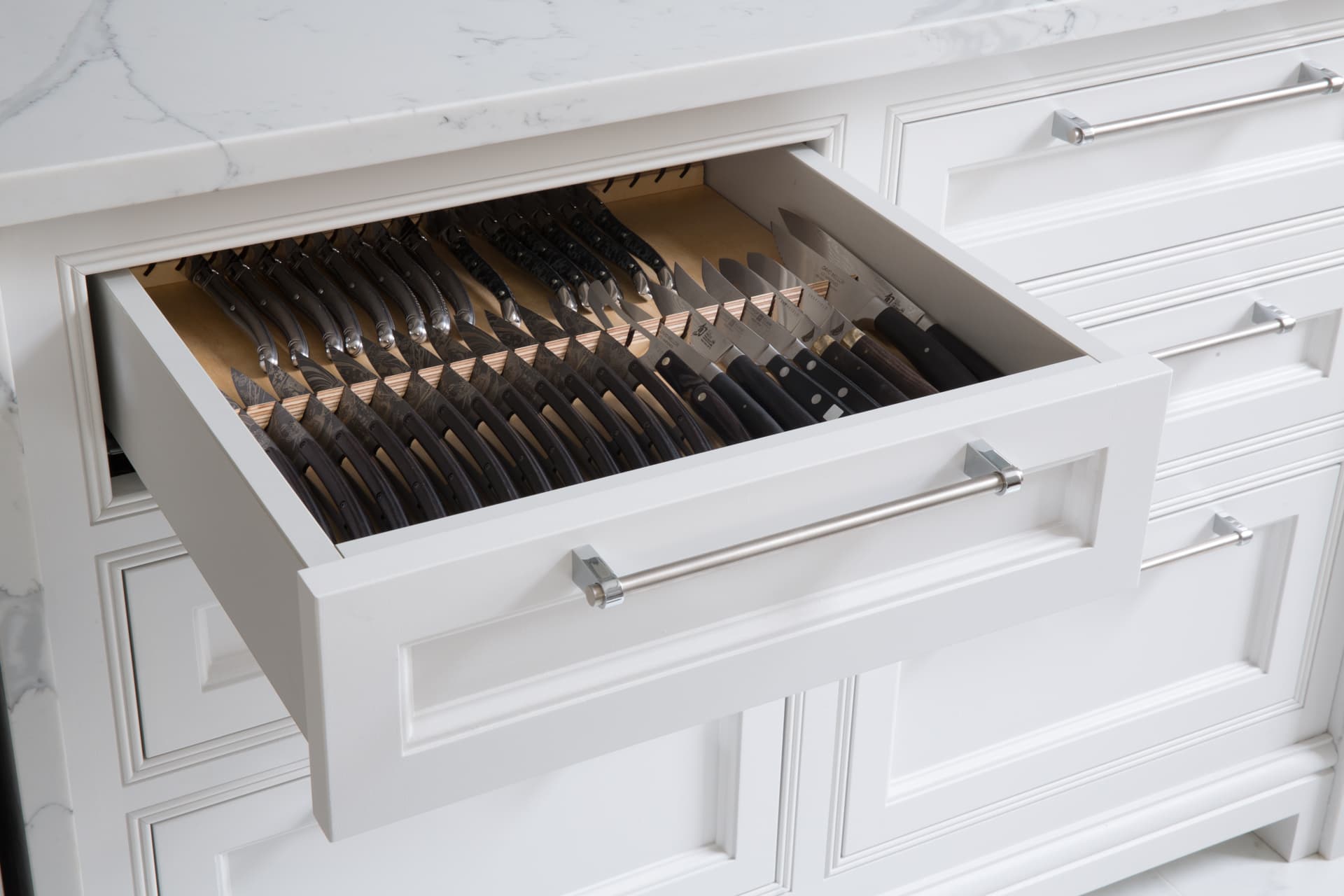
Bespoke Kitchen Joinery: The Craft Behind Cabinets That Last Generations
A detailed guide to the joinery techniques used in bespoke kitchen craftsmanship — from dovetail drawers and mortise-and-tenon frames to tongue and groove panels. Learn how to recognise quality joinery and why it determines how long your kitchen will last.