

What Makes a Bespoke Kitchen? A Guide to True Custom Craftsmanship
What is a bespoke kitchen, and what sets it apart from fitted or semi-custom alternatives? We explain the materials, joinery, design process, and craftsmanship behind genuinely bespoke cabinetry.
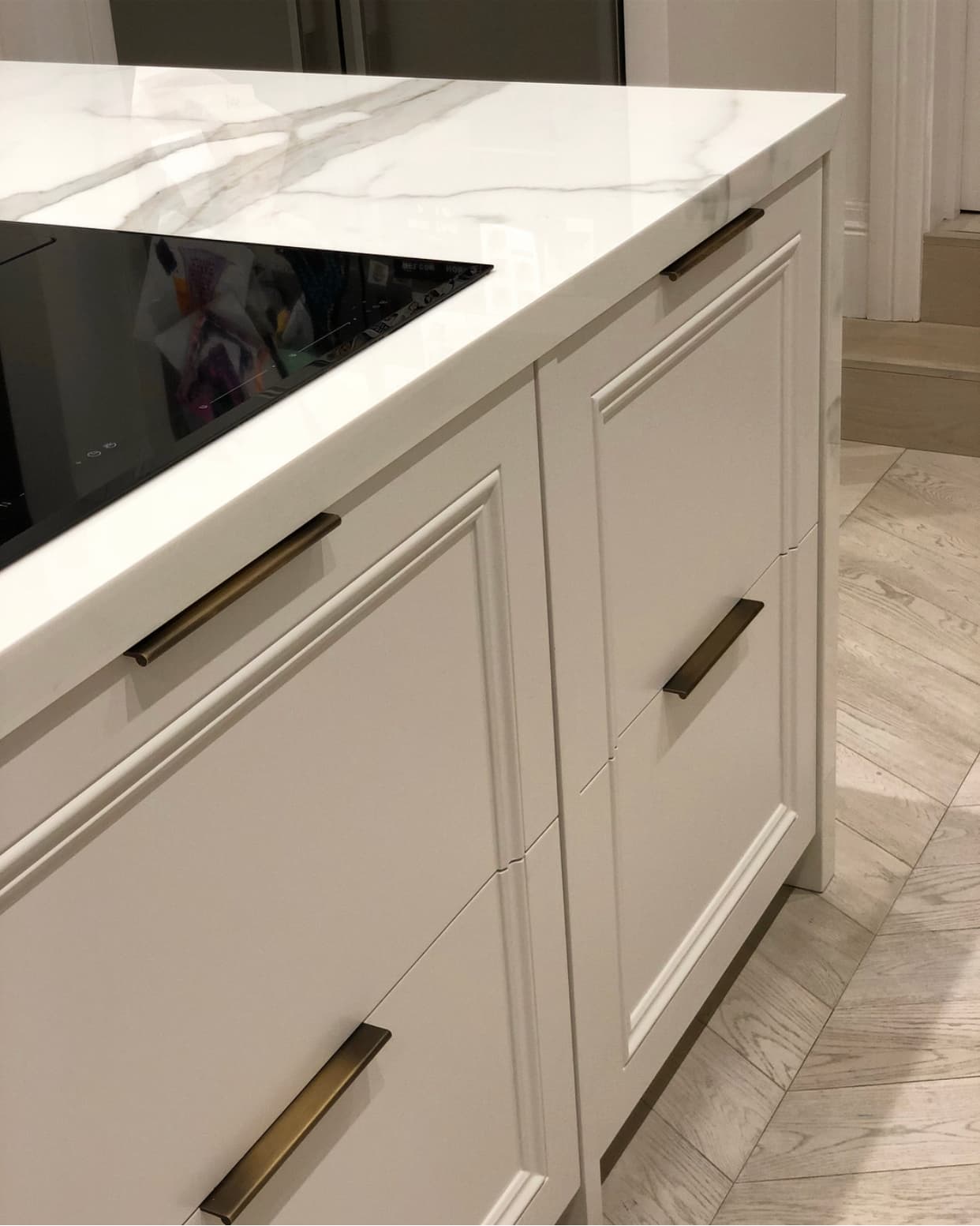
If you've spent any time researching kitchens, you'll have noticed that the word 'bespoke' appears almost everywhere. It's on showroom walls, in glossy brochures, and across half the kitchen websites on the internet. The trouble is, most of what's labelled bespoke isn't bespoke at all.
So what is a bespoke kitchen, really? And what makes it fundamentally different from the fitted, semi-custom, and modular alternatives that borrow its name?
The answer lies not in marketing language but in craft: in how a kitchen is designed, what it's made from, how it's built, and who builds it. This guide explores each of those elements honestly, because if you're considering investing in a truly bespoke kitchen, you deserve to understand exactly what you're paying for.
Defining 'Bespoke': What the Word Actually Means
The word 'bespoke' has its roots in English tailoring. A garment was said to be 'bespoken for' when a customer selected a cloth and had it cut and sewn to their exact measurements. Nothing was taken from a rack. Nothing was adjusted to approximate a fit. The thing was made — from scratch — for one person.
A bespoke kitchen follows precisely the same principle. Every cabinet, shelf, drawer, and detail is designed for a specific room and a specific client. There are no standard carcass widths to choose from, no predetermined heights, and no catalogue of modules assembled in different combinations. The design begins with a blank page and your space.
This matters more than it might first appear. Standard kitchen carcasses come in fixed increments — typically 100mm steps. In a room with an awkward alcove, an off-centre window, or a ceiling that isn't quite level (and in period properties, it rarely is), those fixed increments leave gaps. Gaps get filled with filler panels. Filler panels are the silent confession that a kitchen wasn't made for the room it's standing in.
A bespoke kitchen has no filler panels. It doesn't need them.
A Brief History of Bespoke Cabinetry
Kitchen cabinetry as we know it is a surprisingly modern development. For centuries, kitchens were furnished rather than fitted — freestanding dressers, tables, and larder cupboards arranged around the room. The built-in kitchen emerged in the early twentieth century, driven by ideas about domestic efficiency that came out of the Arts and Crafts movement and later the Bauhaus school.
In Britain, the post-war housing boom brought mass-produced kitchen units to ordinary homes for the first time. Formica-topped cabinets in standardised sizes could be installed quickly and affordably. The fitted kitchen was born, and it transformed how the nation cooked.
But the craft tradition never disappeared. Workshops across the country continued to build cabinetry by hand — using the same joinery techniques that their predecessors had used for furniture and architectural woodwork. These makers served clients who valued quality of materials and construction over speed of delivery and low cost.
Today, that tradition is enjoying a quiet renaissance. As homeowners invest more thoughtfully in their properties, there's a growing appreciation for the kind of craftsmanship that simply cannot be replicated by a factory line. The bespoke kitchen has moved from being a niche curiosity to being the standard that discerning clients aspire to.
What Distinguishes a Bespoke Kitchen
Understanding what makes a bespoke kitchen means looking at four distinct areas: materials, joinery techniques, the design process, and fitting. Each one contributes to the quality, longevity, and character of the finished kitchen.
Materials: Chosen, Not Allocated
In a standard fitted kitchen, your material options are limited to whatever the manufacturer currently stocks. You'll choose from a range of door finishes, a selection of worktop materials, and a catalogue of handles. The carcasses themselves are almost always made from chipboard or MDF — regardless of what you're paying.
A bespoke kitchen takes a fundamentally different approach. Materials are selected specifically for your project, and the range of options is limited only by what exists.
Timber is the foundation. At Albury House Kitchens, we build carcasses from solid hardwood or high-quality birch plywood — not chipboard. Door frames are constructed from the timber species that best suits the design: oak for warmth and grain character, tulipwood for its exceptional paint finish, walnut for richness, or maple for clean contemporary lines. The choice is made jointly between designer and client, based on aesthetics, durability, and the demands of the specific project.
Worktop materials are selected with equal care. Natural stone — marble, granite, quartzite — is sourced from specific slabs that clients can visit and approve in person. No two slabs are alike, and choosing your own stone ensures the veining and colour sit well within your space. Engineered surfaces, solid timber, and specialist materials such as zinc or patinated brass are all available when the design calls for them.
Paint and lacquer deserve particular attention. A factory-sprayed finish and a hand-applied finish may look similar in a photograph, but they feel entirely different under the hand. Our painters apply multiple coats — typically primer, two undercoats, and two topcoats — sanding between each application. The result is a depth of colour and a smoothness of surface that machine application cannot replicate.
Joinery Techniques: The Craft You Don't See
The joinery inside a kitchen cabinet is the clearest indicator of how it was made. Open a drawer in a mass-produced kitchen and you'll find cam locks, dowels, and chipboard screws — mechanical fixings that hold the box together through tension and compression. They work adequately when new. They loosen over time.
Open a drawer in a bespoke kitchen and you'll find something rather different.
Dovetail joints are the hallmark of quality drawer construction. A series of interlocking pins and tails — cut with precision into the end grain of each board — create a joint that is mechanically self-locking. Even without glue, a well-cut dovetail cannot pull apart in the direction of use. This is why English and Scandinavian furniture makers have used them for centuries, and why you'll still find seventeenth-century drawers in perfect working order.
We cut our dovetails by hand for our finest commissions and use precision-routed jigs for production efficiency where appropriate. Both methods produce joints of exceptional strength. The visible end grain of a dovetail joint has become, in itself, a mark of quality that clients increasingly want on display rather than concealed.
Mortise and tenon joints form the backbone of frame-and-panel door construction. A projecting tenon on one member slots into a corresponding mortise cut into another, creating a joint of remarkable rigidity. This technique allows wide door panels to expand and contract with seasonal humidity changes without cracking — something that solid glued panels simply cannot do.
Traditional mortise and tenon construction is what allows a Shaker-style kitchen door to remain flat and true for decades. Cheaper alternatives — where a profiled MDF panel is glued into a mitre-cut frame — tend to show cracks at the joints within a few years as the adhesive fails and the materials move at different rates.
Hand-applied finishes complete the picture. Where a factory finish is sprayed in a single pass and cured under heat, a hand-applied finish is built up in layers over several days. Each coat is sanded back before the next is applied, creating a surface with genuine depth. The colour appears to sit within the wood rather than on top of it. It's a subtle difference, but once you've seen it, you can't unsee it.
The Design Process: Collaboration, Not Configuration
Ordering a fitted kitchen is, in essence, a configuration exercise. You select modules from a range, choose finishes from a palette, and the manufacturer assembles your combination. The designer's role is to make standard components work within your space — which sometimes they do beautifully, and sometimes they don't.
The bespoke design process works in reverse. It starts with your space, your habits, and your aspirations, then creates a kitchen that exists nowhere else.
At Albury House Kitchens, this process begins with a home visit. We look at the room — its proportions, its light, its relationship to the garden and the rest of the house. We talk about how you cook, how you entertain, whether the dog has a preferred corner, and whether the children do homework at the island. These details aren't peripheral; they're foundational.
From there, the design evolves through a series of conversations, sketches, 3D visualisations, and material explorations. Nothing is fixed until you're completely satisfied. And because we're designing from scratch rather than configuring from a catalogue, we can accommodate features that standard kitchens simply can't: a curved island end that follows the line of a bay window; a larder cupboard built into an alcove that's 40mm narrower than any standard unit; a worktop height adjusted to suit someone who is six foot four.
If you're curious about the full design journey, our guide to commissioning a bespoke kitchen walks through every stage in detail.
Fitting: The Final Craft
A kitchen is only as good as its installation, and this is where many otherwise decent products fall short. The fitted kitchen industry relies heavily on subcontracted installers — fitters who've never seen the design process, never met the client, and are working from a flat-pack delivery and a set of assembly instructions.
Bespoke fitting is an entirely different discipline. At Albury House, the same team that builds your kitchen in the workshop installs it in your home. They understand every joint, every tolerance, and every design intention because they were there from the beginning.
This continuity shows in the details: scribe mouldings that follow the contour of an uneven wall, end panels that meet a worktop without a visible gap, doors that hang in perfect alignment across a four-metre run. These things are not possible to achieve when an installer is meeting the cabinetry for the first time on the morning of fitting.
The installation phase also involves careful coordination with other trades — electricians, plumbers, stone masons, tilers — and a bespoke maker typically manages this entire process on your behalf. You deal with one team, not six.
The Craftsmanship Behind a Bespoke Kitchen
It's worth pausing to consider what genuine craftsmanship means in practice. A single bespoke kitchen represents hundreds of hours of skilled work: drawing, selecting materials, cutting, shaping, assembling, sanding, finishing, fitting, and adjusting. The joiners who do this work have typically trained for years — many through formal apprenticeships followed by decades of practice.
This isn't nostalgia. The techniques endure because they produce results that modern alternatives cannot match. A dovetailed drawer box in solid maple will outlast a chipboard equivalent by a factor of ten or more. A hand-painted finish develops a beautiful patina over time rather than chipping and peeling. A mortise-and-tenon door frame remains stable through decades of kitchen humidity and temperature changes.
Craftsmanship also means problem-solving. Every bespoke project presents challenges — an irregular wall, a ceiling beam, a soil pipe in an inconvenient location — and the maker's skill lies in resolving these elegantly, often in ways that the client never notices. The best bespoke kitchens look effortless precisely because an enormous amount of thought and skill went into making them appear so.
When Is a Bespoke Kitchen the Right Choice?
Not every kitchen needs to be bespoke. If you're fitting out a rental property or working to a tight budget, a well-chosen fitted kitchen can serve perfectly well. There's no shame in standard — standard exists for good reason.
But there are circumstances where bespoke is not just desirable but practically necessary:
- Period properties with uneven walls, irregular ceiling heights, and architectural features that standard cabinets cannot accommodate
- Open-plan living spaces where the kitchen is visually connected to living and dining areas and needs to meet a higher standard of design and finish
- Serious cooks who need their kitchen to function in specific ways — particular appliance configurations, professional-grade ventilation, specialist storage
- Homes of significant value where a bespoke kitchen is proportionate to the quality of the property and contributes meaningfully to its worth
- Clients who appreciate craft and want to live with something made by human hands to an exceptional standard
For a more detailed comparison of the two approaches, our guide to bespoke vs fitted kitchens covers the practical differences in depth.
What to Look for in a Bespoke Kitchen Maker
If you've decided that bespoke is the right path, choosing the right maker is the most important decision you'll make. A few things to look for:
Their own workshop. A genuine bespoke kitchen maker builds in their own facility. If a company is outsourcing manufacture, you lose the continuity and quality control that make bespoke worthwhile.
End-to-end service. Design, manufacture, and installation should all be handled by the same team. The moment responsibility is split between separate companies, accountability becomes diffuse and quality tends to suffer.
A willingness to show their work in progress. Any maker worth their salt will invite you to see your kitchen being built. If workshop visits aren't offered — or worse, are declined — that tells you something.
Transparent pricing. A detailed, itemised quotation is a sign of confidence and honesty. Vague or bundled pricing often conceals margins on materials or subcontracted services.
A portfolio of completed projects. Not 3D renders or mood boards — actual kitchens, in actual homes, that you can see and (ideally) visit.
Ready to Explore What Bespoke Means for Your Home?
If you're in Cambridge, Hampstead, Essex, or anywhere along the M11 corridor, we'd welcome the chance to show you what a genuinely bespoke kitchen looks like — and what it feels like to live with one.
The conversation starts with a visit to your home: no obligation, no sales pitch, just an honest discussion about your space and what's possible within it.
Book your free design consultation and discover why our clients say that commissioning their kitchen was the most rewarding investment they've made in their home.
Frequently Asked Questions
Thinking about a new kitchen?
Book Your Free ConsultationYou might also enjoy
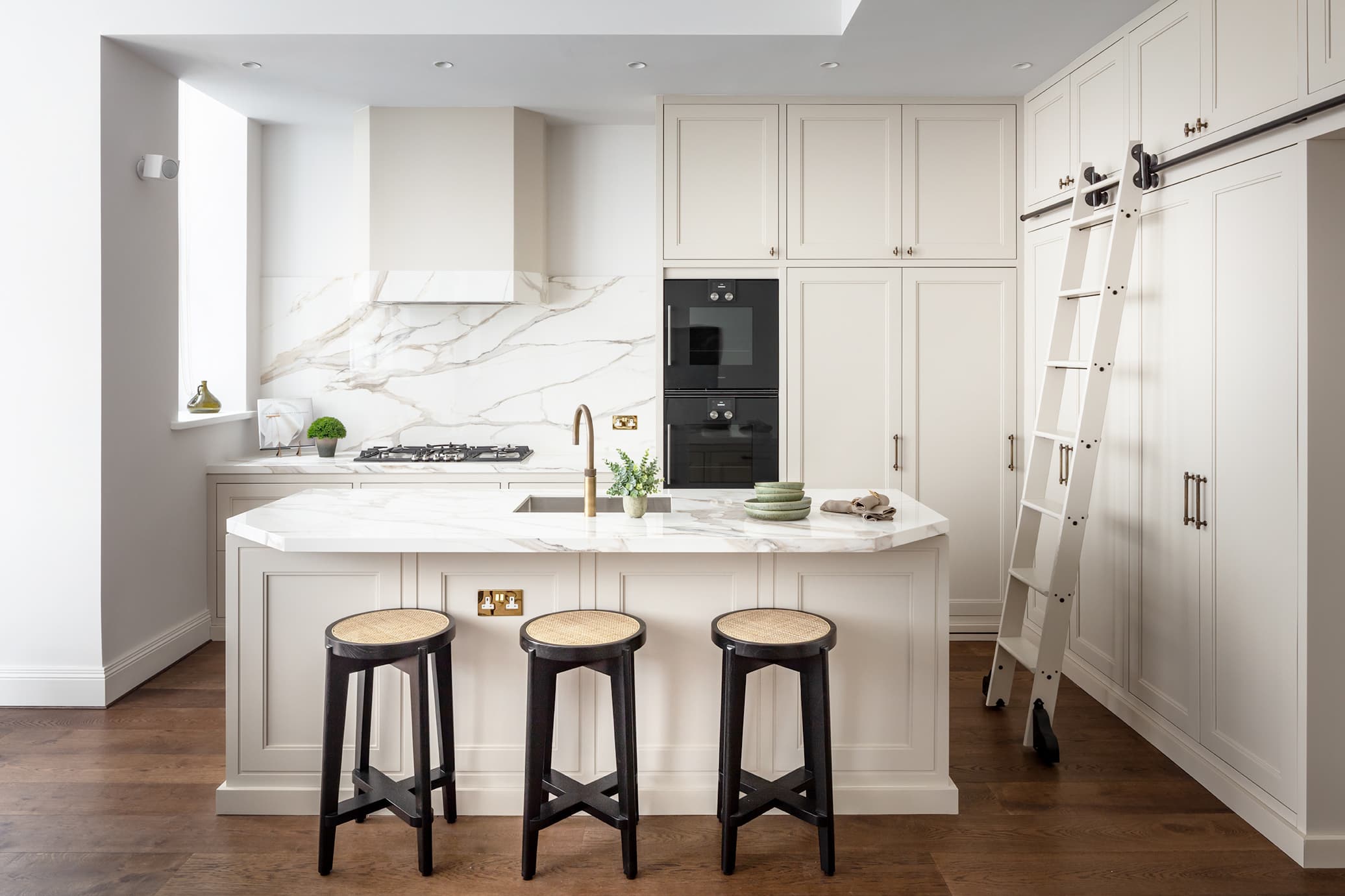
Bespoke Kitchen Cabinets: The Definitive Guide to Handmade Cabinetry
Everything you need to know about bespoke kitchen cabinets — from construction methods and timber selection to door styles, finishes, and the details that distinguish genuine craftsmanship from the merely expensive.
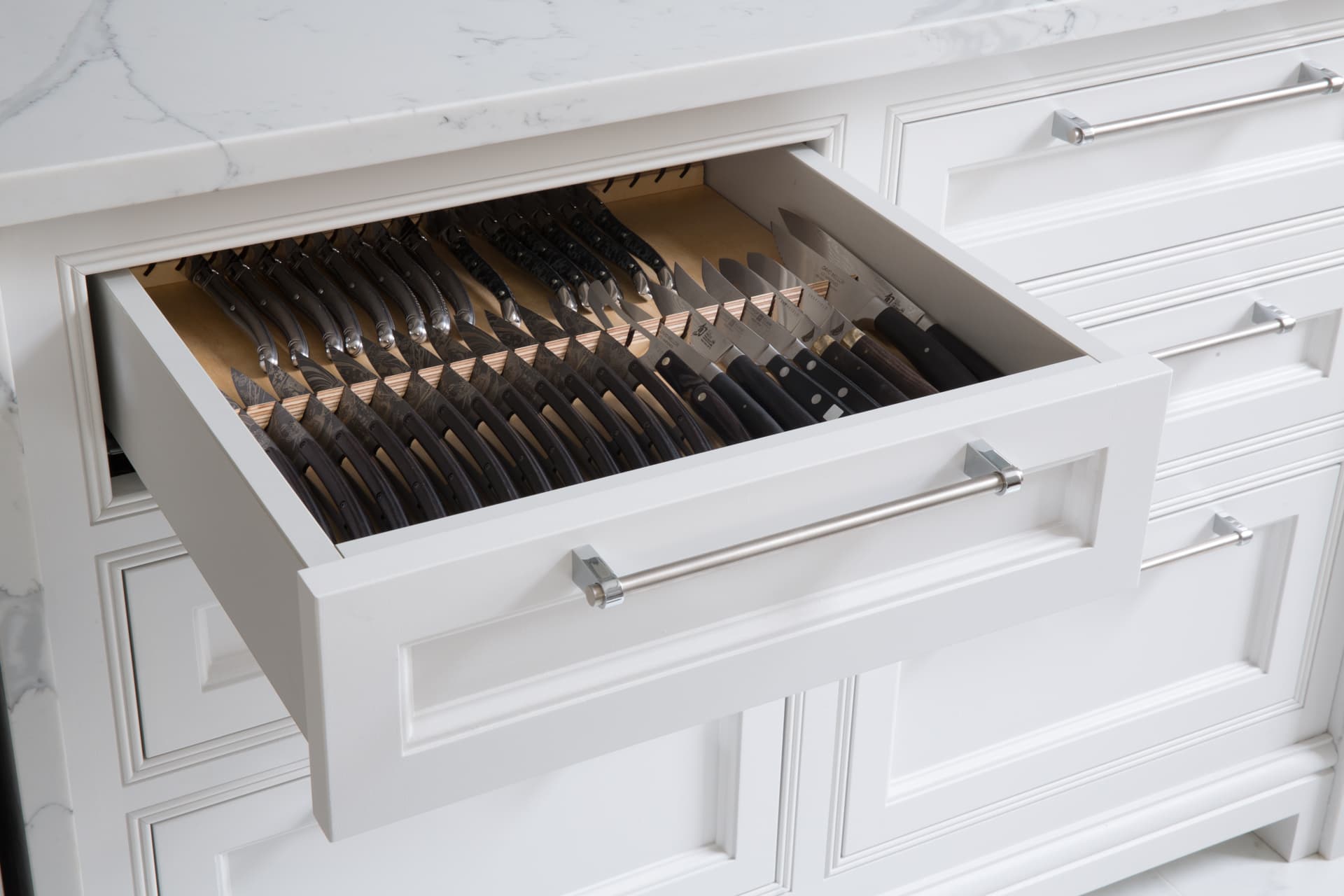
Bespoke Kitchen Joinery: The Craft Behind Cabinets That Last Generations
A detailed guide to the joinery techniques used in bespoke kitchen craftsmanship — from dovetail drawers and mortise-and-tenon frames to tongue and groove panels. Learn how to recognise quality joinery and why it determines how long your kitchen will last.
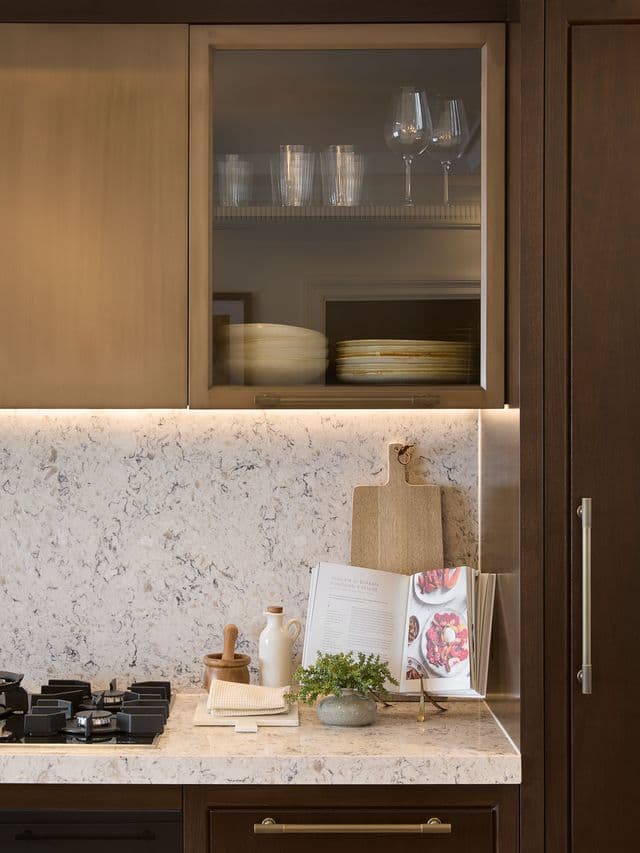
The Bespoke Kitchen Design Process: From Brief to Blueprint
How does a bespoke kitchen get designed? We walk through every stage of the design process — from developing the brief and spatial analysis to 3D visualisation, technical drawings, material specification, and sign-off.