

Commissioning a Bespoke Kitchen: The Complete Guide
Everything you need to know about the bespoke kitchen design process — from first consultation to final installation. A transparent guide from the craftspeople who build them.
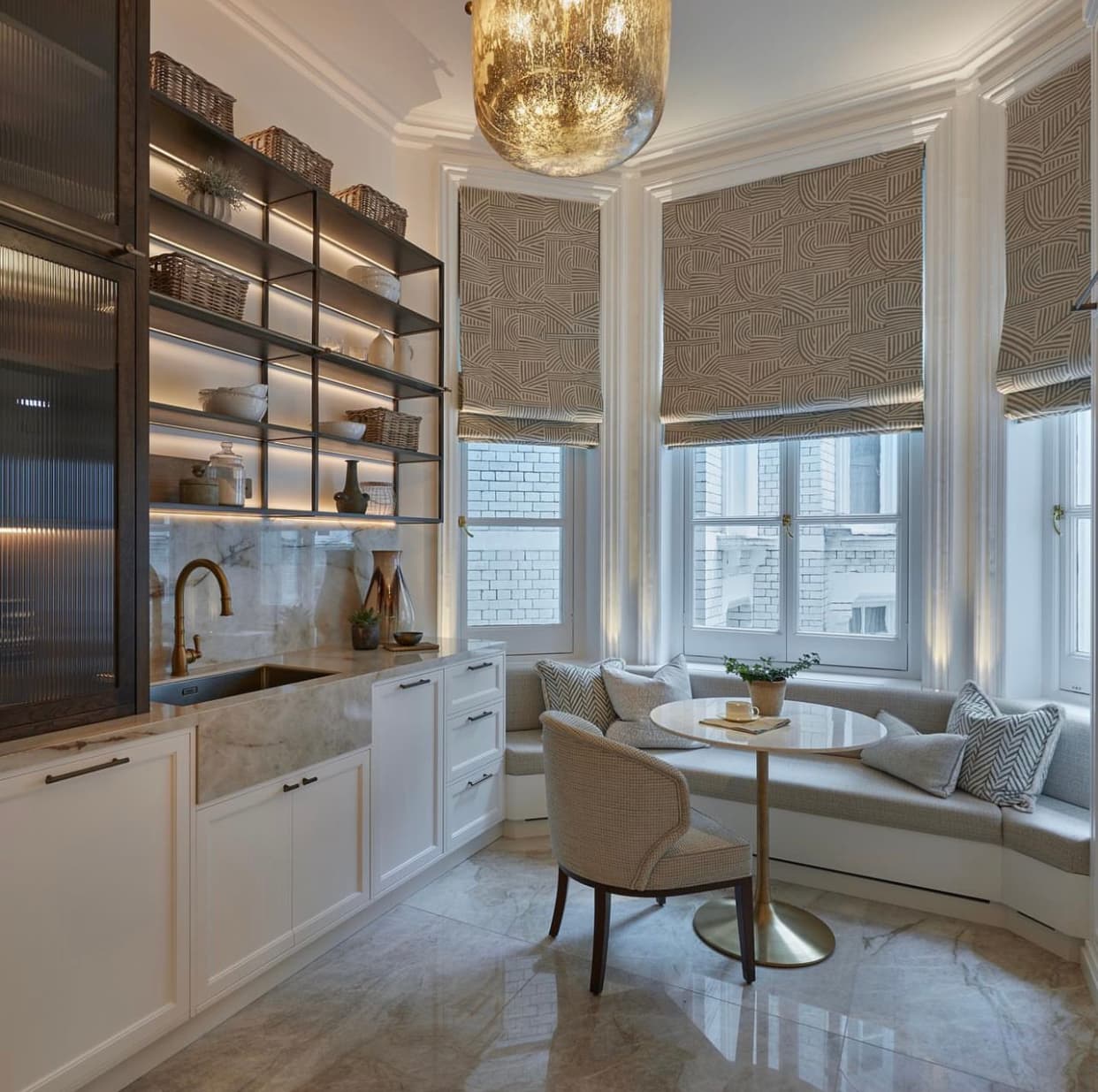
There's a particular moment in every bespoke kitchen project that we never tire of. It's the moment a client walks into their finished kitchen for the first time, runs a hand along the worktop, opens a drawer, and realises that every single detail was made for them. Not adapted. Not modified. Made.
Commissioning a bespoke kitchen is unlike any other home improvement project. There is no catalogue to choose from, no preset configurations, and no compromises born of mass production. What you get instead is a kitchen designed around your life, built by hand in our workshop, and installed with the precision that only comes from the same team overseeing the entire process.
But if you've never commissioned anything bespoke before, the process can feel opaque. How does it actually work? What should you expect at each stage? And how do you know you're in safe hands?
This guide walks you through every step.
Understanding What 'Bespoke' Really Means
The word 'bespoke' gets used loosely in the kitchen industry. Some manufacturers apply it to any kitchen where you can choose the door colour. That's customisation, not bespoke design.
A truly bespoke kitchen is designed from a blank page. Every cabinet is drawn to fit your space precisely. Every detail — from the height of your worktops to the depth of your drawers — reflects how you actually cook, entertain, and live.
At Albury House Kitchens, bespoke means:
- Designed from scratch — no standard carcasses or off-the-shelf modules
- Built in our own workshop — by the same joiners who've studied your plans
- Fitted by our own team — not subcontracted to third-party installers
- Materials chosen for your project — not limited to a supplier's current range
This end-to-end approach is what distinguishes genuine bespoke from high-end fitted. It's also why the process is more involved — and more rewarding.
Step 1: The Initial Conversation
Every project begins with a conversation, usually in your home. We prefer home visits because the space itself tells us things that floor plans cannot — the quality of natural light, the way you move through the room, the architectural character of the house.
This first meeting is informal and carries no obligation. We're listening more than talking: learning how you use your kitchen now, what frustrates you, what delights you, and what you'd love to change.
We'll also discuss:
- Budget range — not a fixed figure, but a realistic range so we can design accordingly
- Timeline — when you need the kitchen completed and any dependencies (building work, planning consent)
- Style direction — whether you're drawn to painted Shaker, natural timber, contemporary minimalism, or something entirely different
- Practical requirements — appliance preferences, storage needs, how many people typically cook at once
By the end of this visit, we'll have a clear brief. No drawings yet — just a shared understanding of what we're aiming for.
Step 2: Survey and Measured Drawings
Before any creative work begins, we carry out a precise survey of your space. Our team takes detailed measurements of every wall, window, doorway, ceiling height, and service position (water, waste, gas, electrics).
These measurements form the foundation of everything that follows. A millimetre matters when you're designing cabinetry that must fit perfectly between a window reveal and a structural column.
If structural changes are planned — removing a wall, adding a window, or extending — we work closely with your architect or builder to ensure the kitchen design integrates seamlessly with the broader scheme.
Step 3: Concept Design
This is where the creative work begins. Using the brief and survey data, our design team produces initial concept drawings — typically 3D visualisations that show the kitchen from multiple angles within your actual space.
At this stage, we're exploring layout, proportions, and spatial flow. Key decisions include:
- Island or no island? And if so, what role does it play — prep, cooking, dining, or display?
- Storage strategy — full-height larders, walk-in pantries, or integrated solutions?
- Worktop materials — natural stone, engineered quartz, timber, or a combination?
- Appliance integration — fully concealed, semi-integrated, or statement pieces?
We present two or three layout options, explaining the trade-offs of each. There's no single right answer — just the right answer for how you live.
Step 4: Design Development and Material Selection
Once you've chosen a direction, we refine the design in detail. This stage involves selecting every material, finish, and fitting:
- Timber species for cabinetry (oak, walnut, tulipwood, maple)
- Paint colours — we work with specialist heritage paint suppliers and can colour-match to any reference
- Worktop material — with stone, we recommend visiting the supplier to select your actual slab
- Hardware — handles, knobs, hinges, and drawer runners
- Lighting — under-cabinet, in-cabinet, and architectural options
- Sink and taps — style, material, and configuration
We produce detailed technical drawings and a comprehensive specification document. This is the blueprint our workshop will build from, so accuracy is paramount.
At Albury House, you'll meet the joiners who'll build your kitchen during this phase. We find that this connection — knowing the people behind the craft — gives clients genuine confidence in the process.
Step 5: Quotation and Agreement
With the design fully specified, we provide a detailed, itemised quotation. Every element is priced individually — cabinetry, worktops, hardware, installation, and any associated building work we're managing.
There are no hidden costs and no surprises. The price you agree is the price you pay, unless you choose to make changes.
We typically ask for a deposit to secure your place in our production schedule, with further payments staged against key milestones: design sign-off, commencement of manufacture, and completion of installation.
Step 6: Manufacture
This is where patience meets precision. Your kitchen is built entirely in our workshop, by hand, over a period of 6 to 10 weeks depending on complexity.
During this time:
- Carcasses are constructed from your chosen timber, using traditional joinery techniques
- Doors and drawer fronts are made, sanded, and prepared for finishing
- Paint finishes are hand-applied — typically a primer coat, two undercoats, and two topcoats, each sanded between applications
- Bespoke elements — curved units, integrated features, specialist storage — are crafted to your exact specification
We welcome workshop visits during manufacture. Seeing your kitchen taking shape in raw timber is one of the genuine pleasures of commissioning bespoke.
Step 7: Installation
Installation is carried out by our own fitting team — the same people who've been involved throughout the project. This continuity matters: they understand the design intent, the material choices, and the precise tolerances involved.
A typical kitchen installation takes 1 to 3 weeks, depending on scope. We coordinate with other trades (electricians, plumbers, tilers, decorators) to ensure a smooth sequence of work.
Once the cabinetry is fitted, we install worktops, hardware, appliances, and lighting. Final adjustments ensure every door aligns, every drawer glides, and every surface meets perfectly.
Step 8: Handover and Aftercare
The project concludes with a thorough handover. We walk you through every feature, demonstrate specialist mechanisms, and provide care guidance for your specific materials.
Every Albury House kitchen comes with our aftercare commitment. Should anything need attention — a hinge adjustment, a paint touch-up, a seasonal timber movement — we're a phone call away.
Good craftsmanship endures. But even the finest kitchen benefits from the knowledge that the people who made it stand behind it.
How Long Does the Whole Process Take?
From initial consultation to cooking your first meal, expect a timeline of approximately 16 to 24 weeks:
| Stage | Duration |
|---|---|
| Initial consultation and survey | 1–2 weeks |
| Concept design | 2–4 weeks |
| Design development and specification | 2–4 weeks |
| Manufacture | 6–10 weeks |
| Installation | 1–3 weeks |
The design phases often overlap and can be compressed if you're working to a fixed deadline. We're always transparent about scheduling and will flag any risks to your timeline early.
What Sets the Bespoke Process Apart
If you've only ever bought kitchens from a showroom, the bespoke process will feel different in several ways:
- You're involved at every stage — this is a collaboration, not a transaction
- Nothing is rushed — quality takes the time it takes
- Every decision is yours — within our guidance, you have complete creative control
- The team is consistent — the same people design, build, and install your kitchen
- The result is unique — no one else will ever have the same kitchen
For many of our clients, commissioning a bespoke kitchen is the most satisfying investment they've made in their home. Not because it's the most expensive — though a well-made kitchen does add substantial value — but because it's the most personal.
Ready to Start the Conversation?
Every Albury House kitchen begins the same way: with a conversation about how you live. If you're considering a bespoke kitchen for your home in Cambridge, Hampstead, Essex, or anywhere along the M11 corridor, we'd love to hear from you.
Book your free design consultation — no obligation, no pressure, just an honest conversation about what's possible.
Frequently Asked Questions
Thinking about a new kitchen?
Book Your Free ConsultationYou might also enjoy
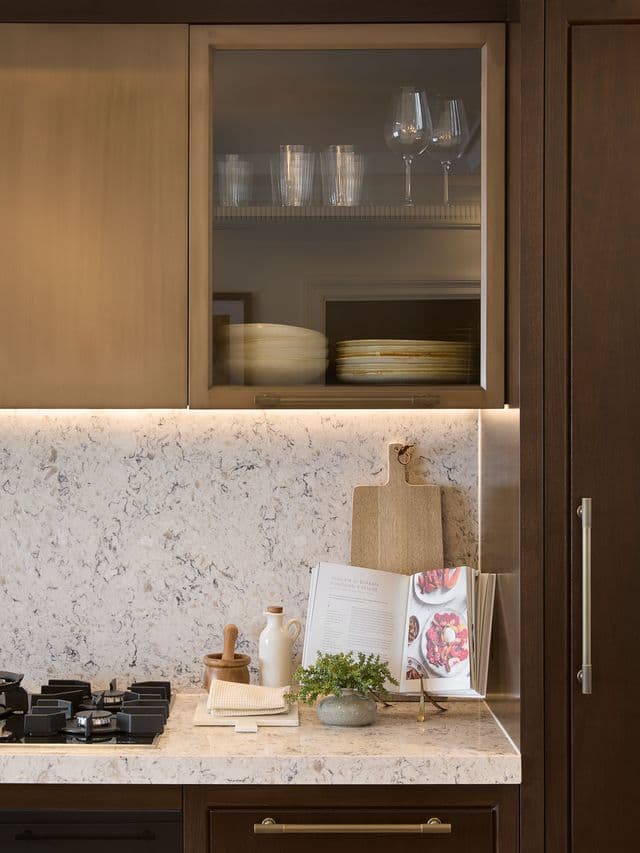
The Bespoke Kitchen Design Process: From Brief to Blueprint
How does a bespoke kitchen get designed? We walk through every stage of the design process — from developing the brief and spatial analysis to 3D visualisation, technical drawings, material specification, and sign-off.
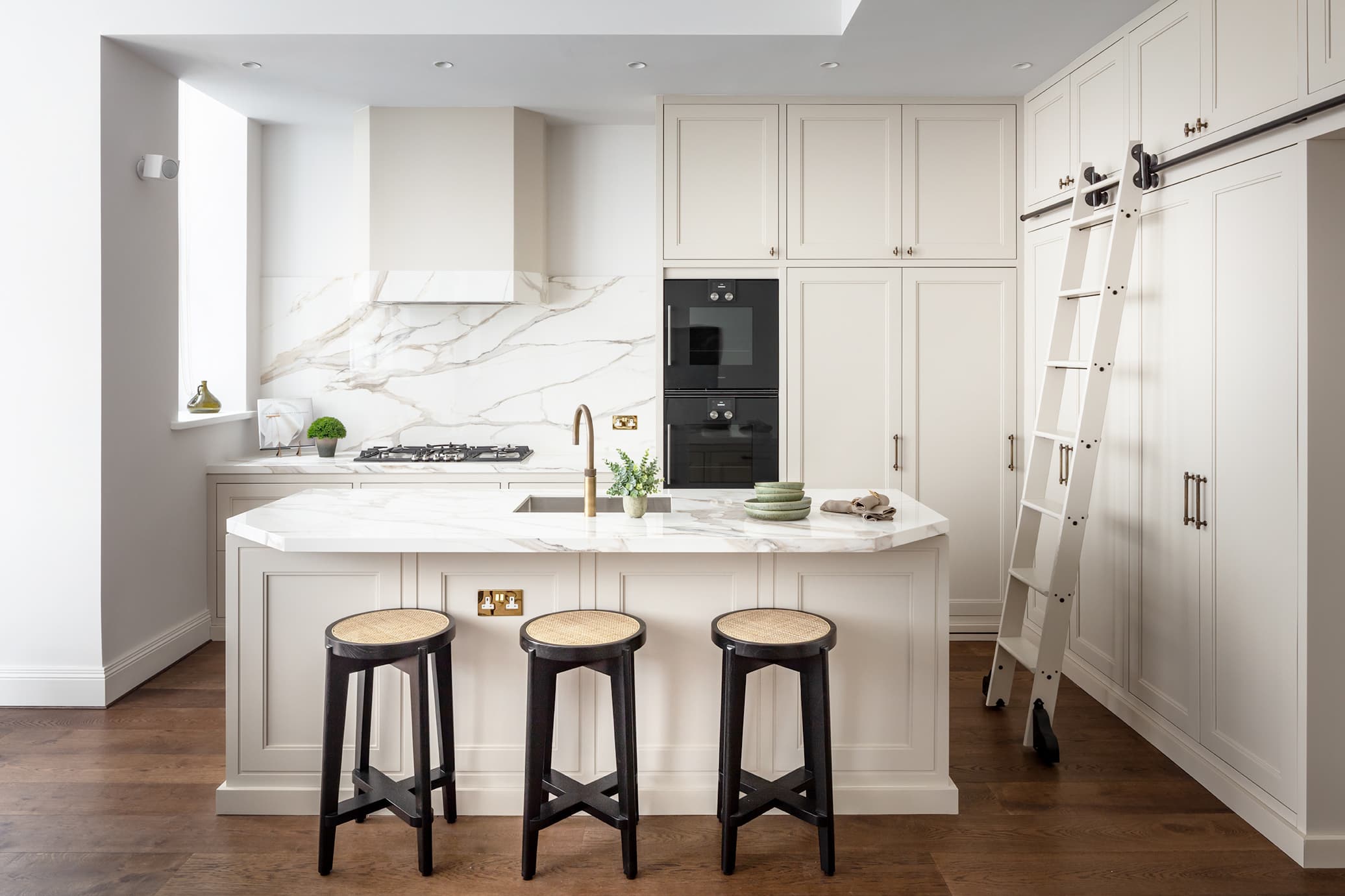
Bespoke Kitchen Cabinets: The Definitive Guide to Handmade Cabinetry
Everything you need to know about bespoke kitchen cabinets — from construction methods and timber selection to door styles, finishes, and the details that distinguish genuine craftsmanship from the merely expensive.
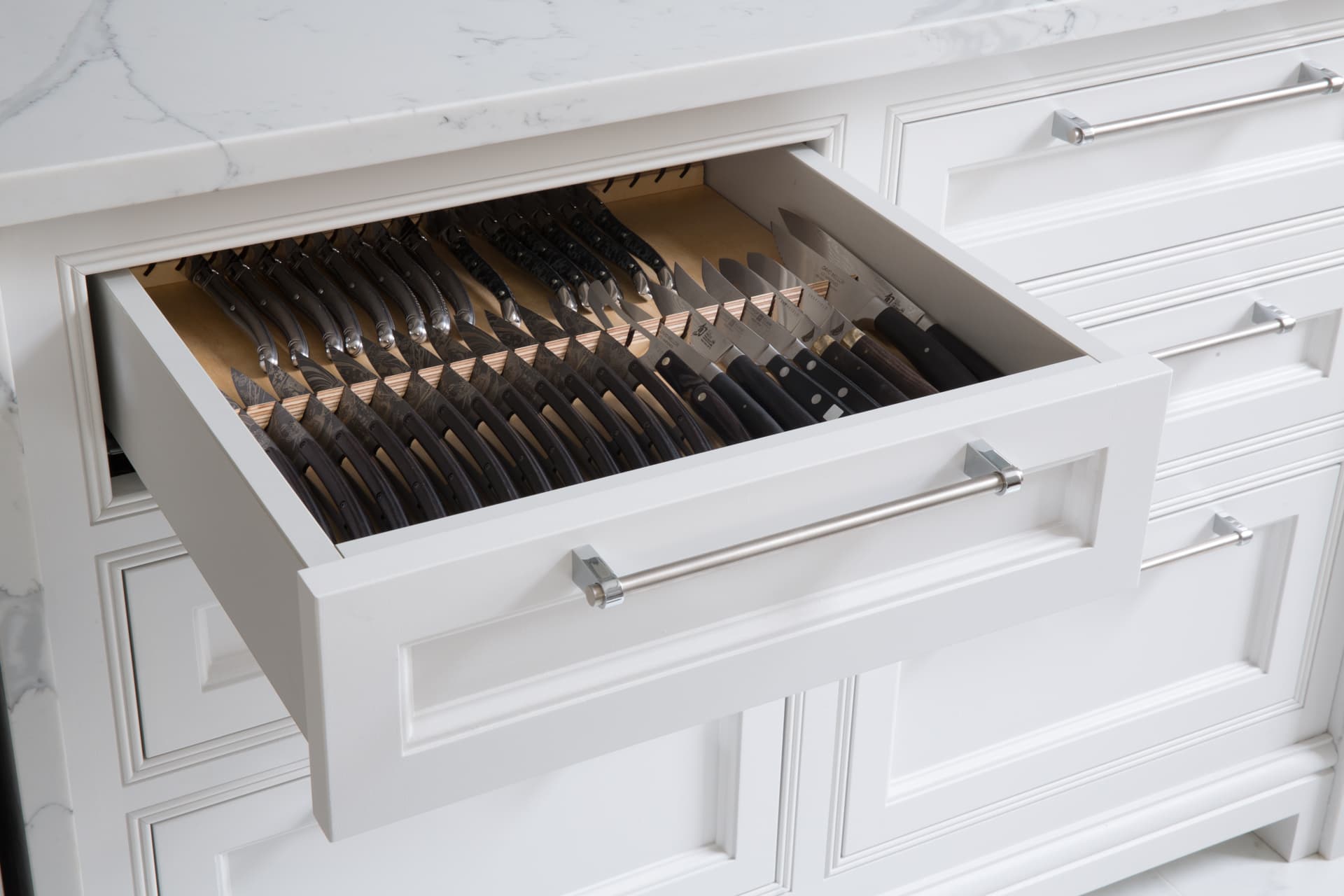
Bespoke Kitchen Joinery: The Craft Behind Cabinets That Last Generations
A detailed guide to the joinery techniques used in bespoke kitchen craftsmanship — from dovetail drawers and mortise-and-tenon frames to tongue and groove panels. Learn how to recognise quality joinery and why it determines how long your kitchen will last.